Way back in October I noticed this WHATWG HTML bug (26942) where someone asked why do these examples of <html> lack the lang attribute? I thought the answer from Hixie was a bit dismissive and not based on any data or real-world benefits of use, particularly in the context of…
I’ve ranted about frivolous patents more than once here. Others far closer to the issue do it daily, so my voice is but a drop in the ocean (and yet nothing happens). This time it’s a little different, and yet familiar (read my April post Patents versus Accessibility). Thanks to…
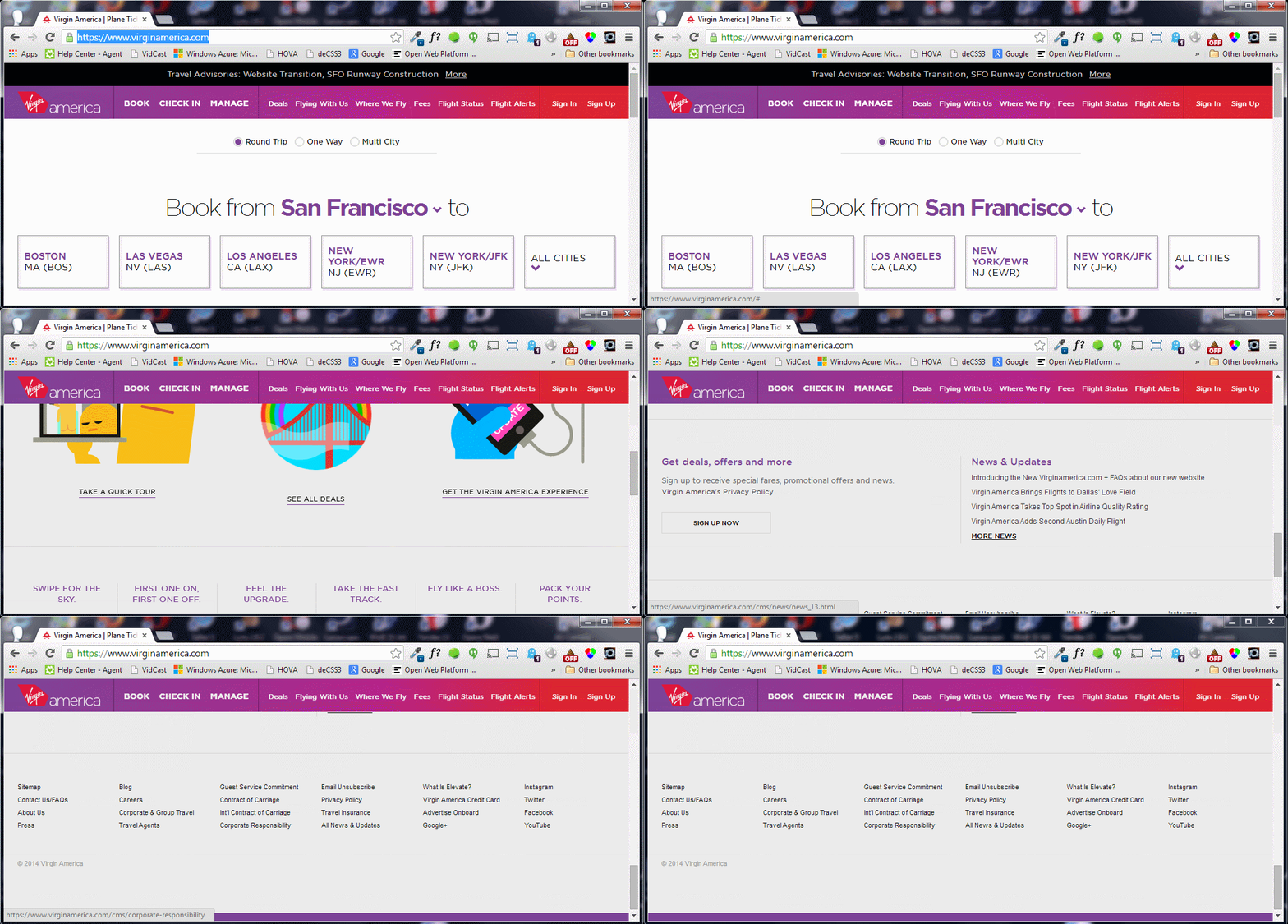
This animated GIF is a screen capture of cycling through every interactive element (mostly links) on the page using just the tab key. You’ll note that in all but one case, the only indication of any change is in the lower left in the browser’s status bar where it shows…
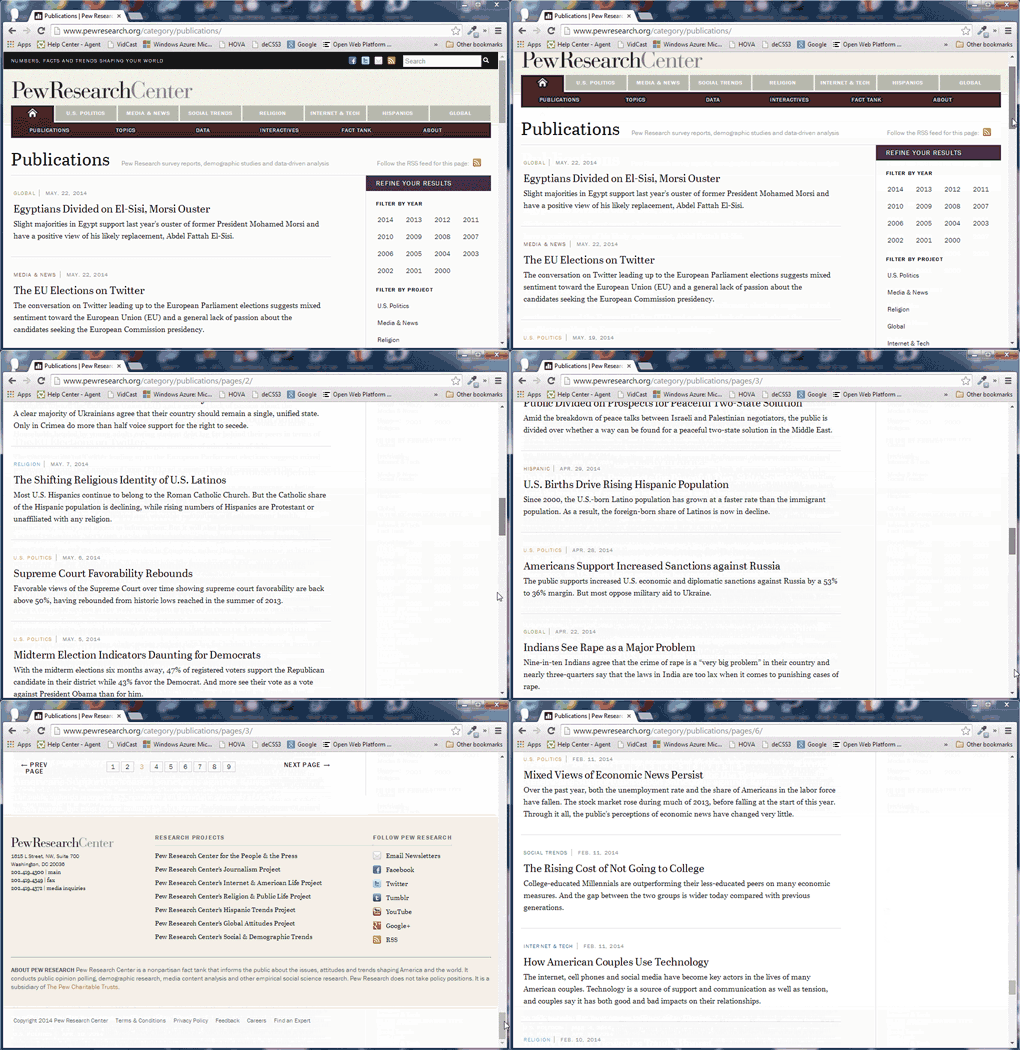
So you’re saying there’s a chance … that I’ll make it to the footer. TL;DR (added 12 December 2020): Can the user hit “back” and return to the exact same place? Is there paging for when the JavaScript breaks? Does the page have a footer? Can a keyboard user access…
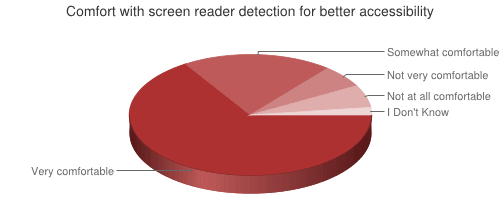
Background The latest WebAIM screen reader survey results came out last week, and I had been looking forward to the results of the questions related to screen reader detection. I can say I was a bit surprised by both. To make it easy, I’ll reprint the questions and answers here.…
This post is an unexpected follow-up to my post Image alt Exception Change Re-Re-Requested (note one fewer “re-”) from June 2012. Back then, some had called into question the need for alt attributes to be required and ubiquitous on all img tags. Well, guess what — alt is back under…
I have alluded to this point in the past. Usually when I get off on a rant about print styles, I lump it into the overall process of making responsive sites and I use media query formatting in my examples. But I haven’t just flat-out said that print styles are…
I don’t care for infographics. Their original purpose of visually conveying otherwise complex information has been superseded by their current use as marketing drek with “quirky” illustrations, blocks of prose, and the occasional useful factoid. The love affair with inforgraphics is confounding to me as a web developer. They are…
Social media outlets are practically a dime a dozen. Excluding ones that are pretty stable right now (Twitter, Facebook, etc.), most of them will either fail or get bought. The problem is that your data, your content, typically dies when they do. As an individual you might not care too…
There is a nifty tool at MQtest.io which gives you a breakdown of how your device reports features you might use for media queries. To use the tool’s own explanation: This test isn’t about what media queries your device can or cannot see (but it does show an ‘unsupported’ label…
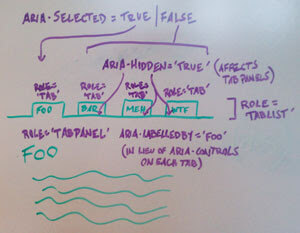
This post is old and wrong, do not use it. If you want insights from that era about how users interact with tab widgets, go read Danger! Testing Accessibility with real people (yes, it’s on Medium, but folks in 2016 weren’t as grumpy about Medium as I was / am).…
This is one of those posts that might interest only a few people and even then only if you are interested in a very specific aspect of this ongoing standard development. Yesterday I got into a conversation (just one of the messages) on the W3C Responsive Image Community Group mailing…